

19 Small Backyard Flower Garden Ideas for More Color and Breathing Room
A narrow lawn, a stubborn fence, and one sunny corner can make planting feel tricky. These small backyard flower garden ideas use curves, containers, and layered planting to add flowers without losing useful space.
1- Corner Bed Flower Garden
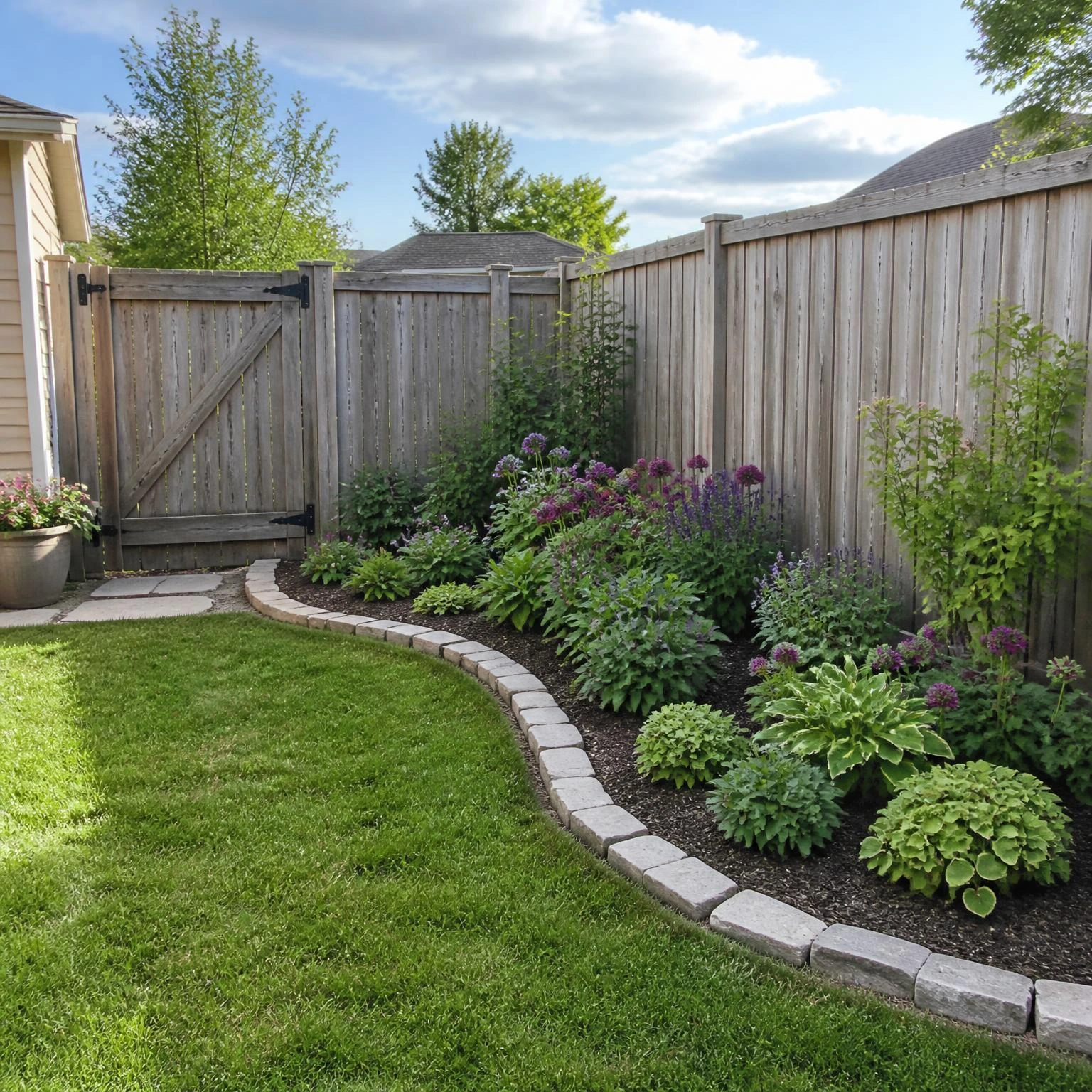
A curved bed tucked into a backyard corner softens the fence line without swallowing the lawn. Use stone edging, garden soil, and muted plum flowers surrounded by soft green foliage, while leaving a clear mowing strip between the bed and grass.
Keep the curve modest, especially near gates or paths. Choose plants suited to the corner’s sunlight and local growing conditions.
2- Narrow Border Garden
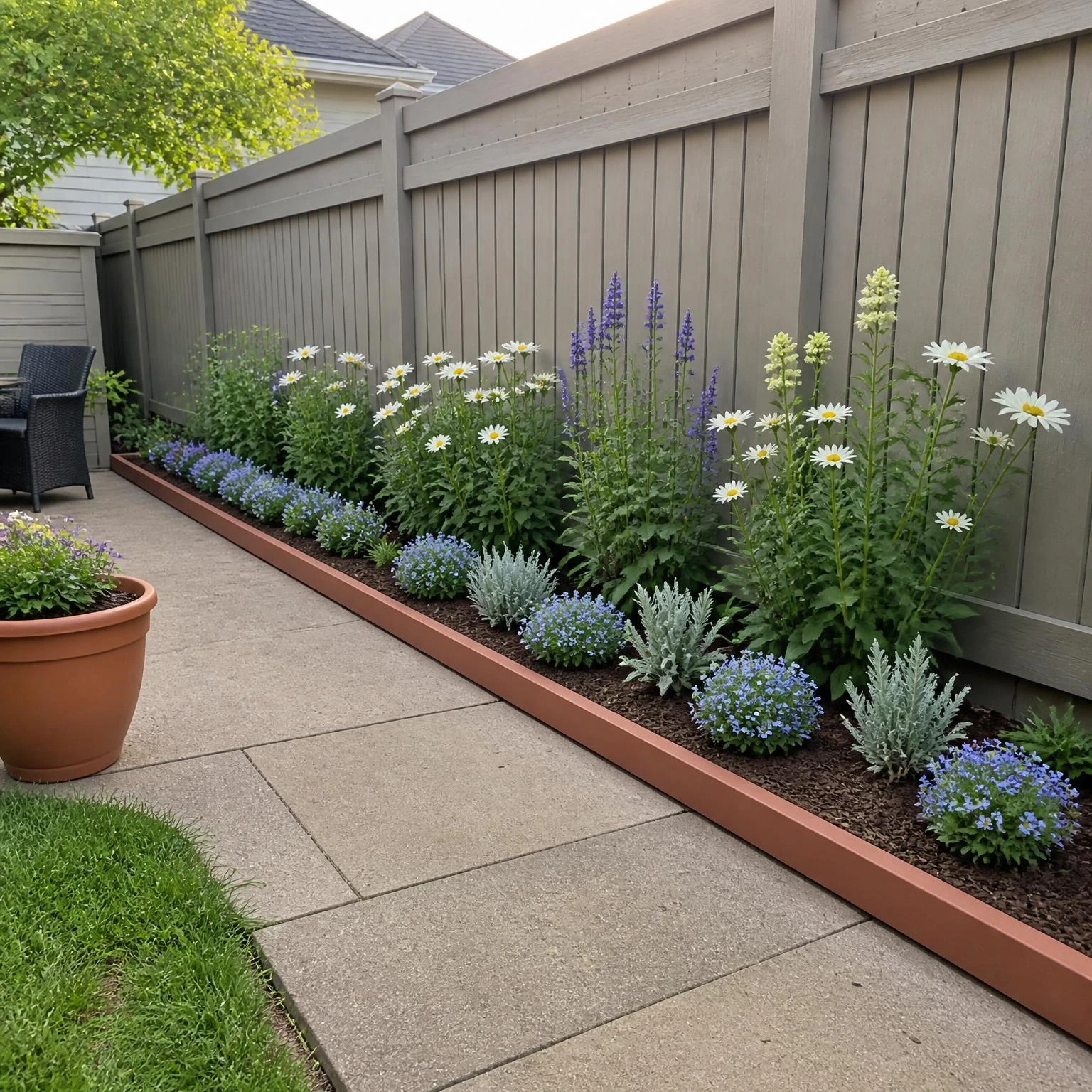
A shallow border along the back fence adds color while preserving room to walk. Place low dusty blue flowers toward the front, taller blooms near the warm gray fence, and finish the soil with bark mulch.
Keep the planting depth narrow enough for fence access and pruning. A painted timber edge can prevent soil from spreading into the path.
3- Circular Lawn Island
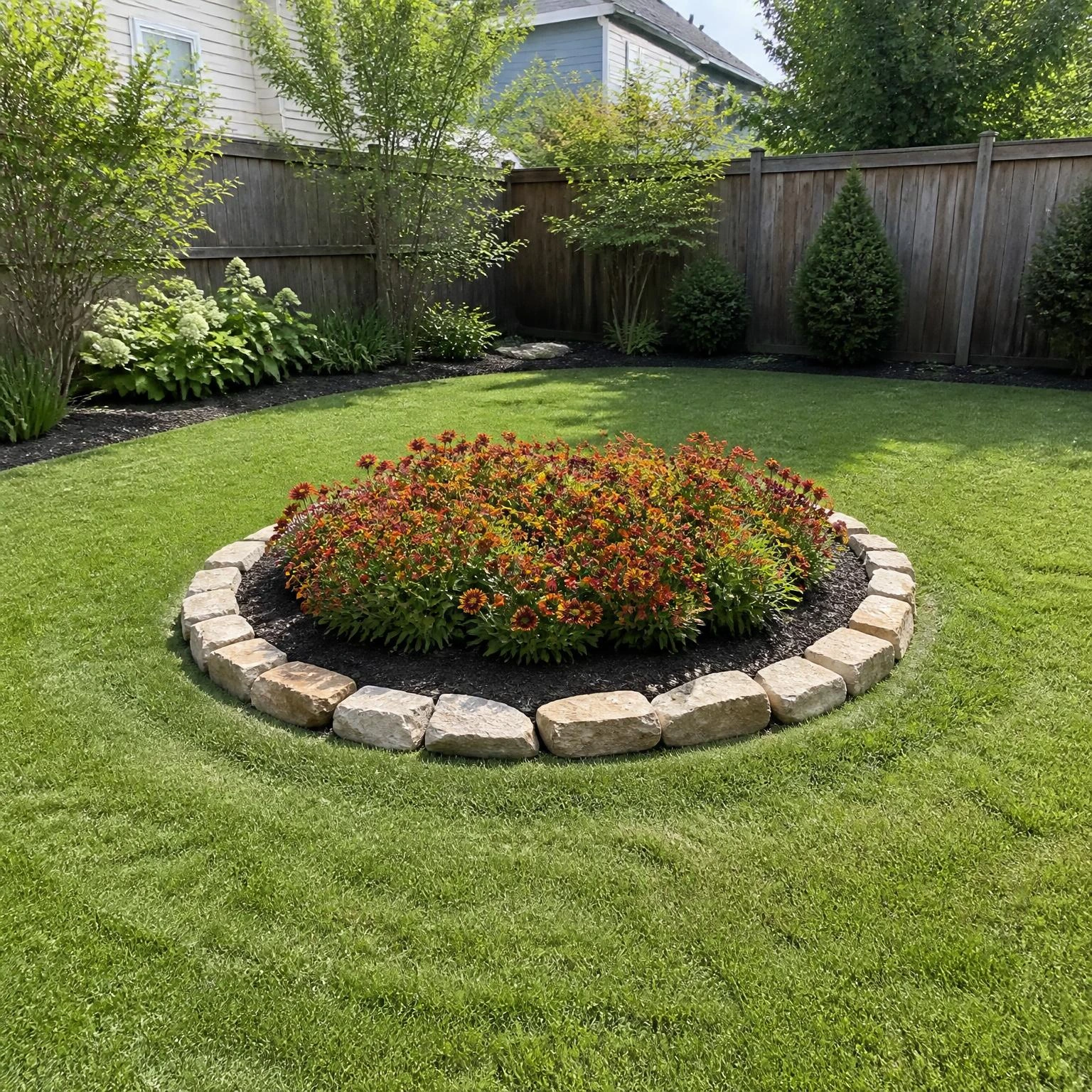
A small circular island gives an open lawn a gentle focal point. Build a low ring with stone edging, compost-rich soil, and rust-colored flowers, leaving enough mowing clearance around every side.
Rounded edges are easier to mow than tight corners. Skip this idea if the remaining lawn would become too narrow for comfortable movement.
4- Patio Edge Flower Strip
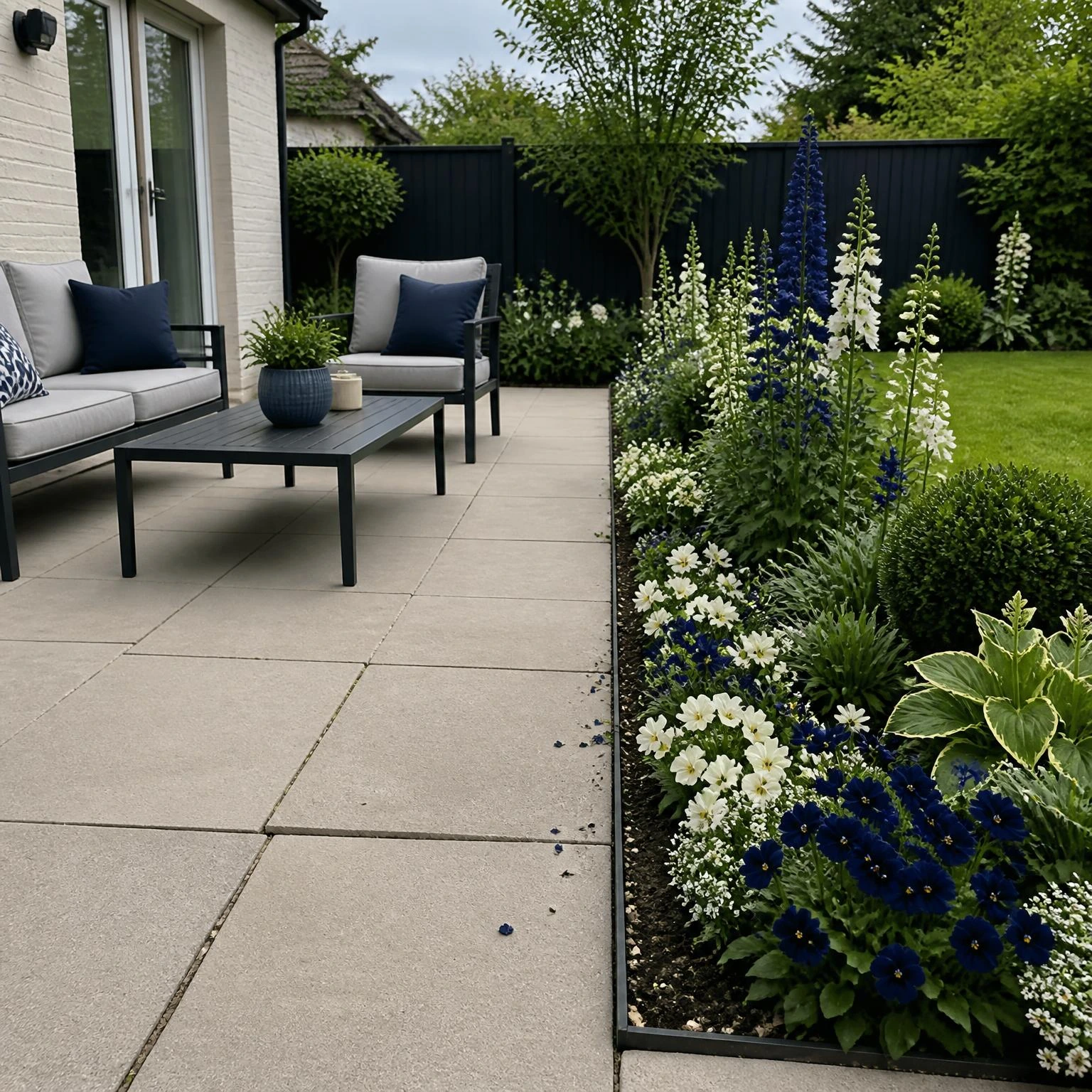
A slim flower strip beside the patio brings blooms close to seating without blocking the walking route. Place ivory and navy flowers low beside the paving, with taller plants toward the outer edge.
Metal edging keeps soil contained against the slabs. Avoid plants that lean across the main route or drop heavy debris onto the patio.
5- Raised Planter Flower Bed
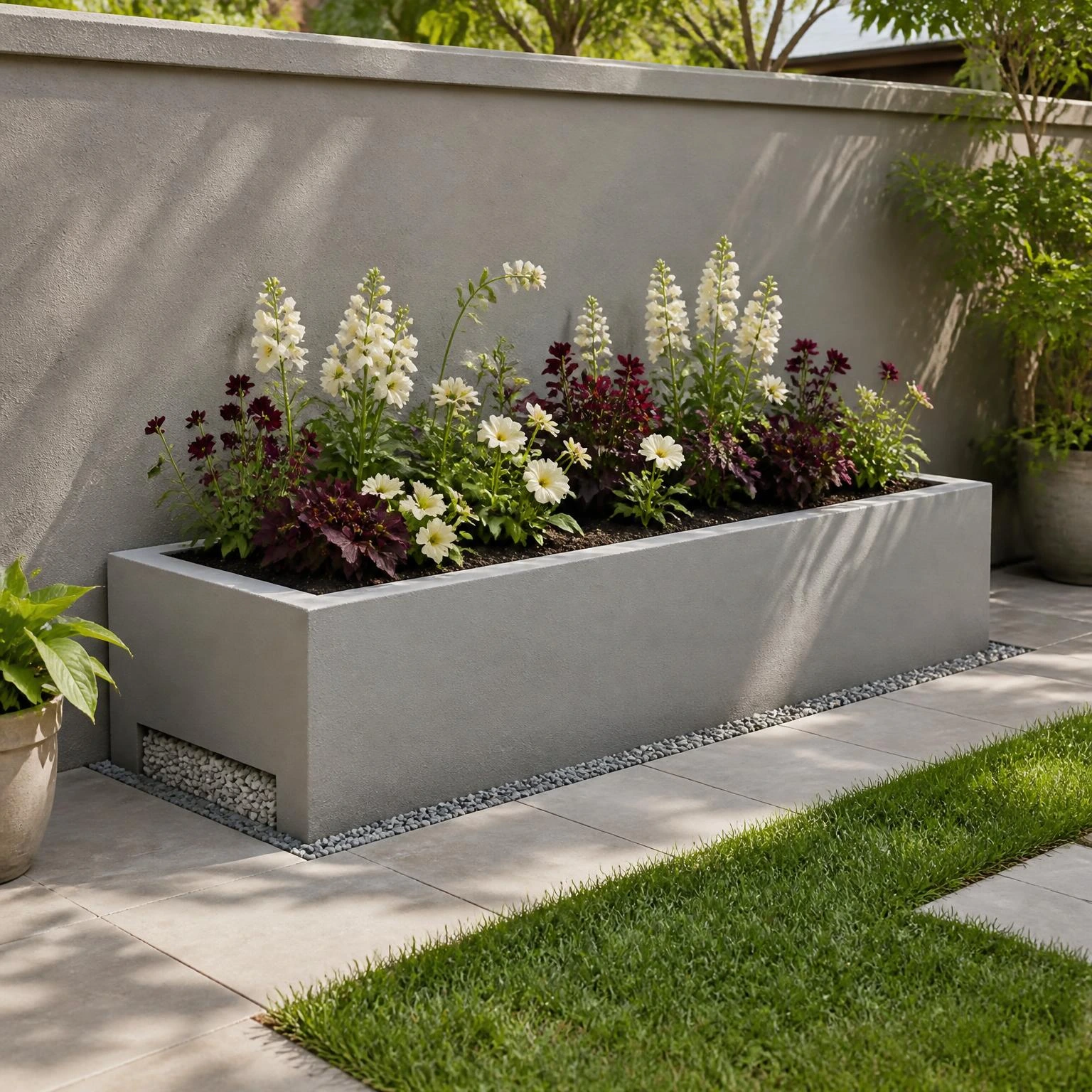
A waist-low raised planter creates a defined flower bed against a sunny boundary wall. Use a painted masonry planter filled with potting soil, ivory flowers, and burgundy accents while keeping access open around it.
Check that the planter sits securely before filling it. Drainage matters because trapped water can damage roots and stress the container.
6- Gravel Flower Courtyard
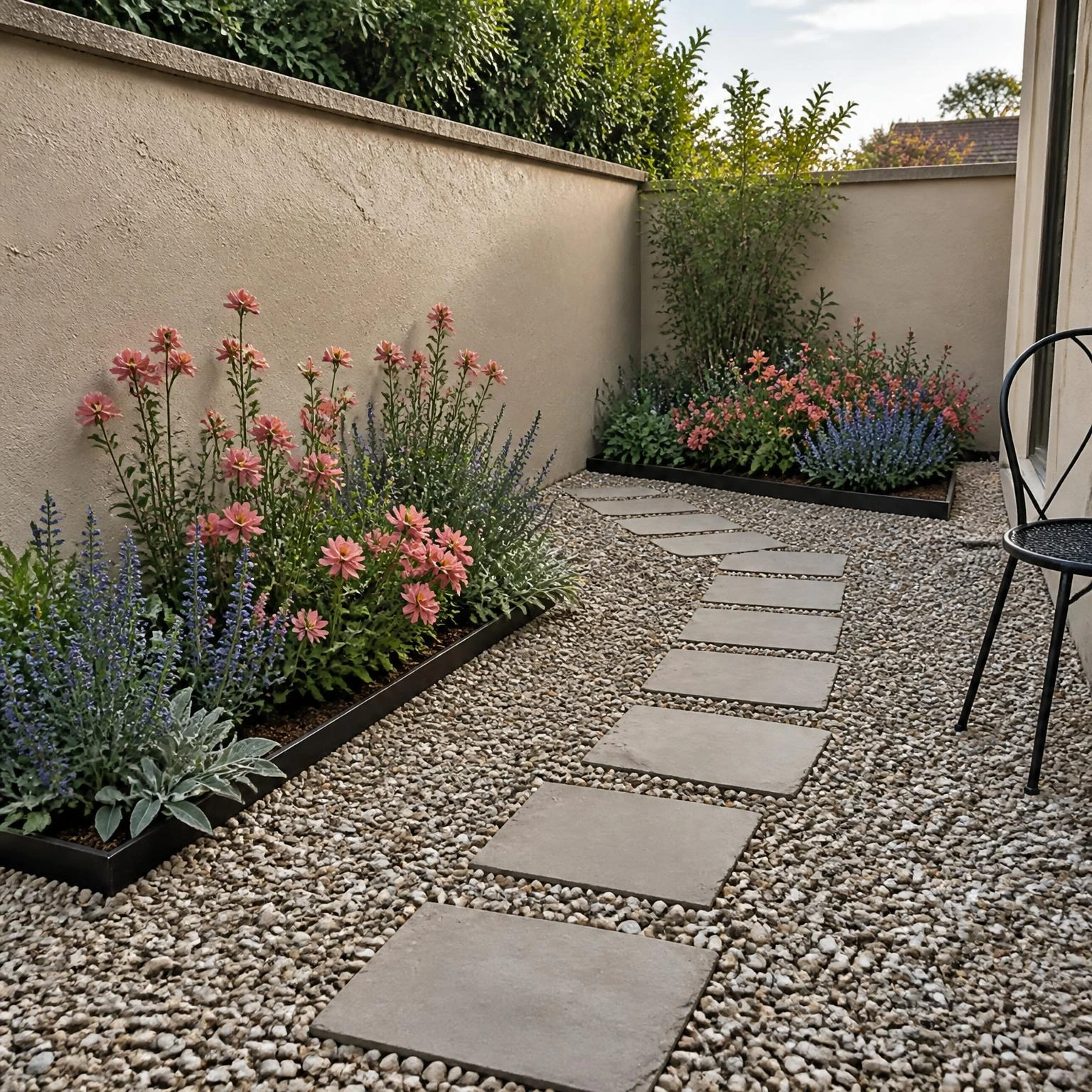
A tiny gravel courtyard can hold flowers without needing a large lawn or deep bed. Create two planted pockets beside the wall, using pea gravel, metal edging, soft coral flowers, and flat stepping stones.
Keep the planting pockets clearly defined so gravel stays practical underfoot. Walking areas need a stable, level base to prevent stones from shifting.
7- Fence-Line Flower Boxes
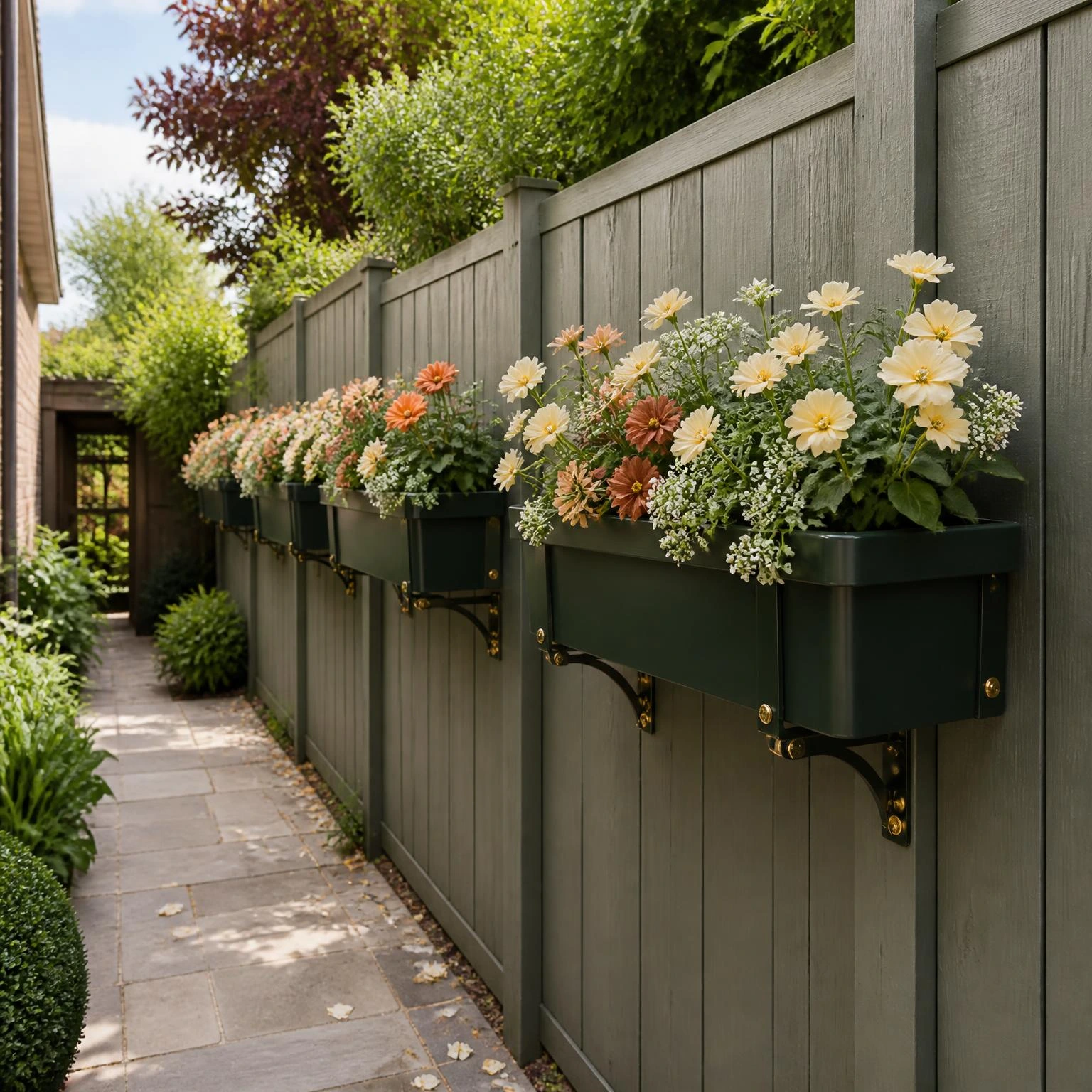
Matching boxes along a sturdy fence create a vertical garden while leaving the ground open. Align forest green planters at one height and fill them with compact flowers in warm neutral shades.
Use proper exterior brackets and check the fence before mounting anything. Filled boxes become heavy, especially after watering.
8- Stepping-Stone Flower Path
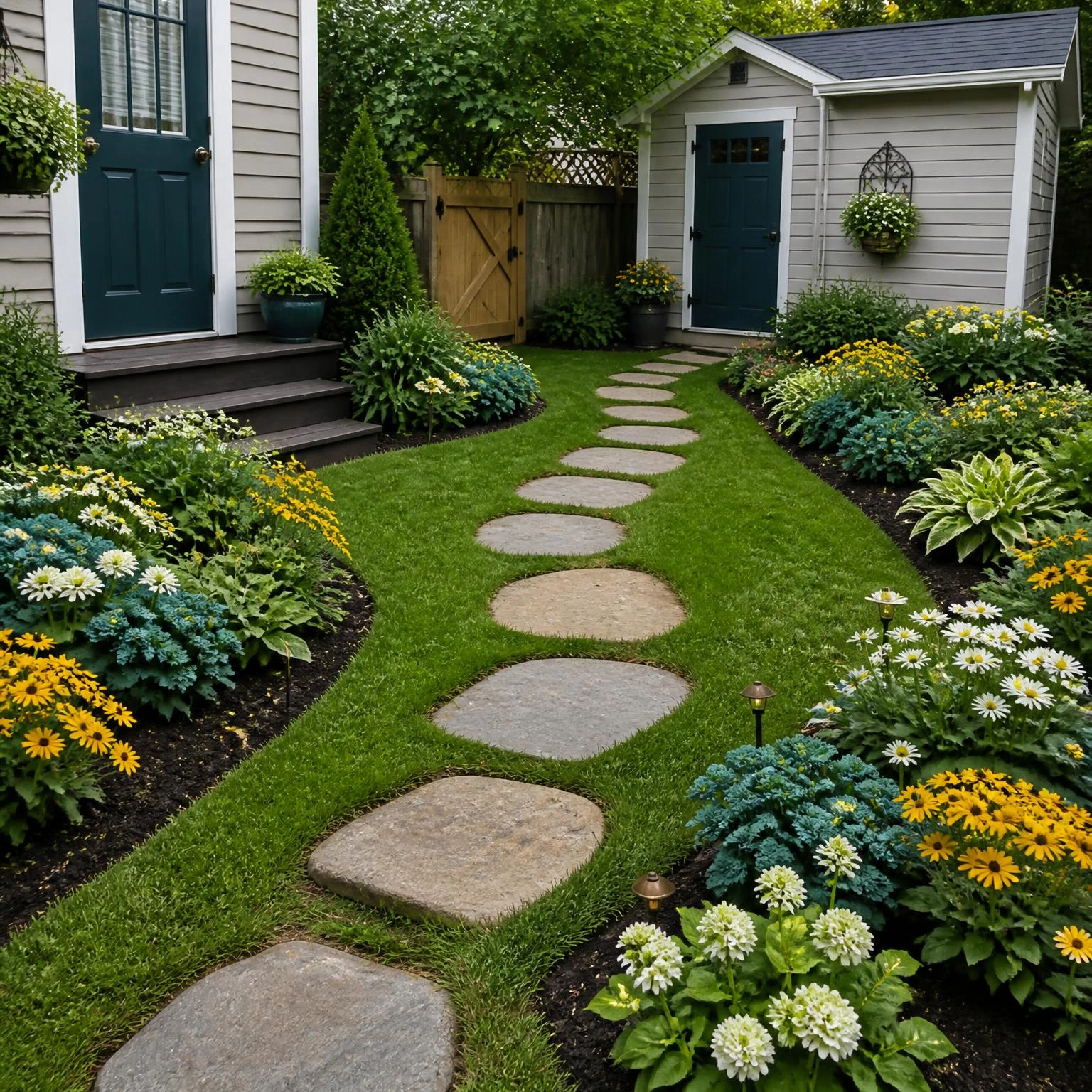
A short path of flat stones can connect the back door with a shed while making flowers part of the route. Set compact beds on both sides, using deep teal, warm white, and restrained mustard blooms.
Place stones at a comfortable natural stride and secure them firmly. The path should remain stable after rain, watering, and seasonal soil movement.
9- Tiered Corner Flower Garden
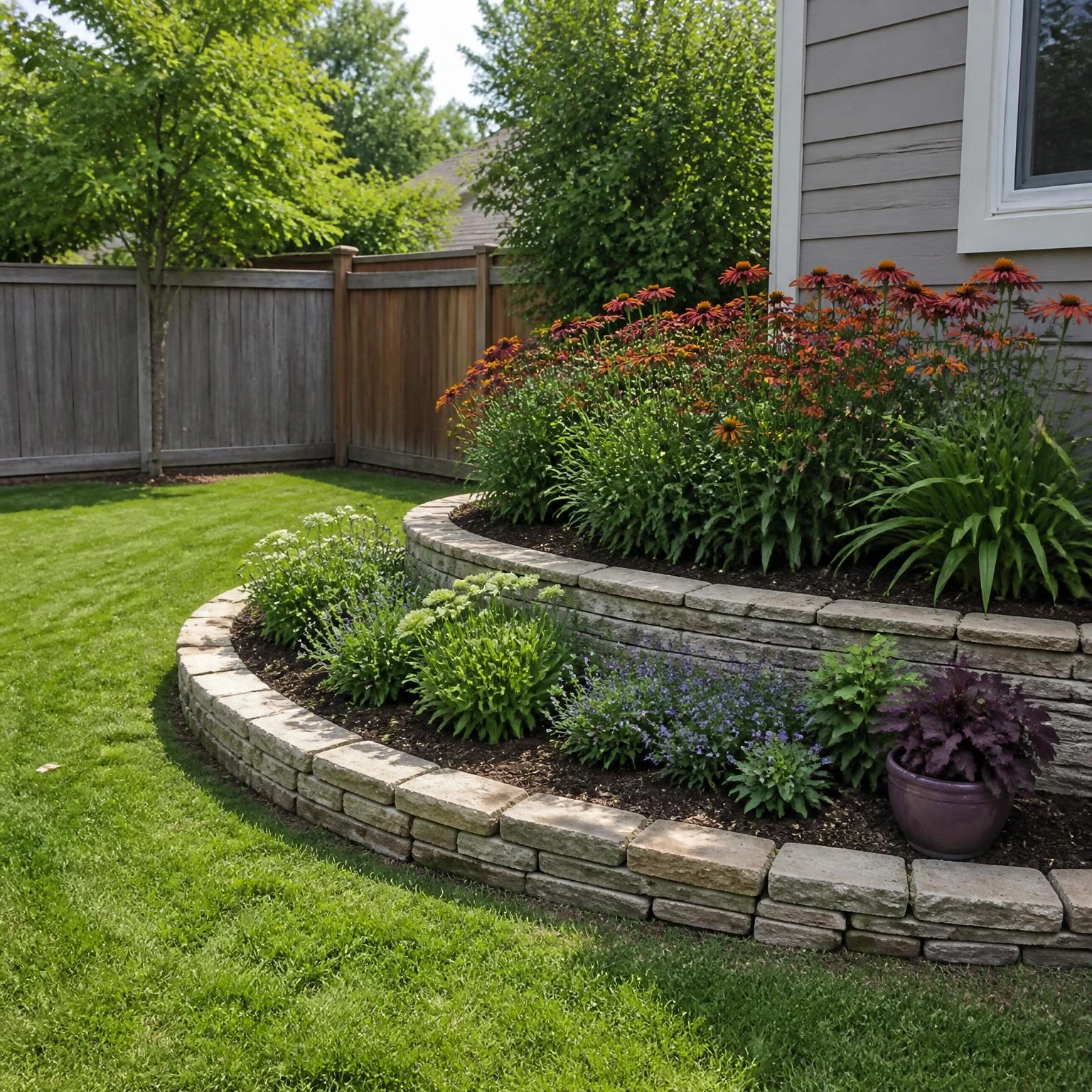
Two shallow tiers make a sloped corner useful without pushing the bed farther into the yard. Set soft green and rust-colored flowers at different heights, using stone edging to follow the slope.
Keep each tier narrow enough to preserve the main yard. Any retaining edge needs suitable support for the slope and soil conditions.
10- Circular Metal Flower Bed
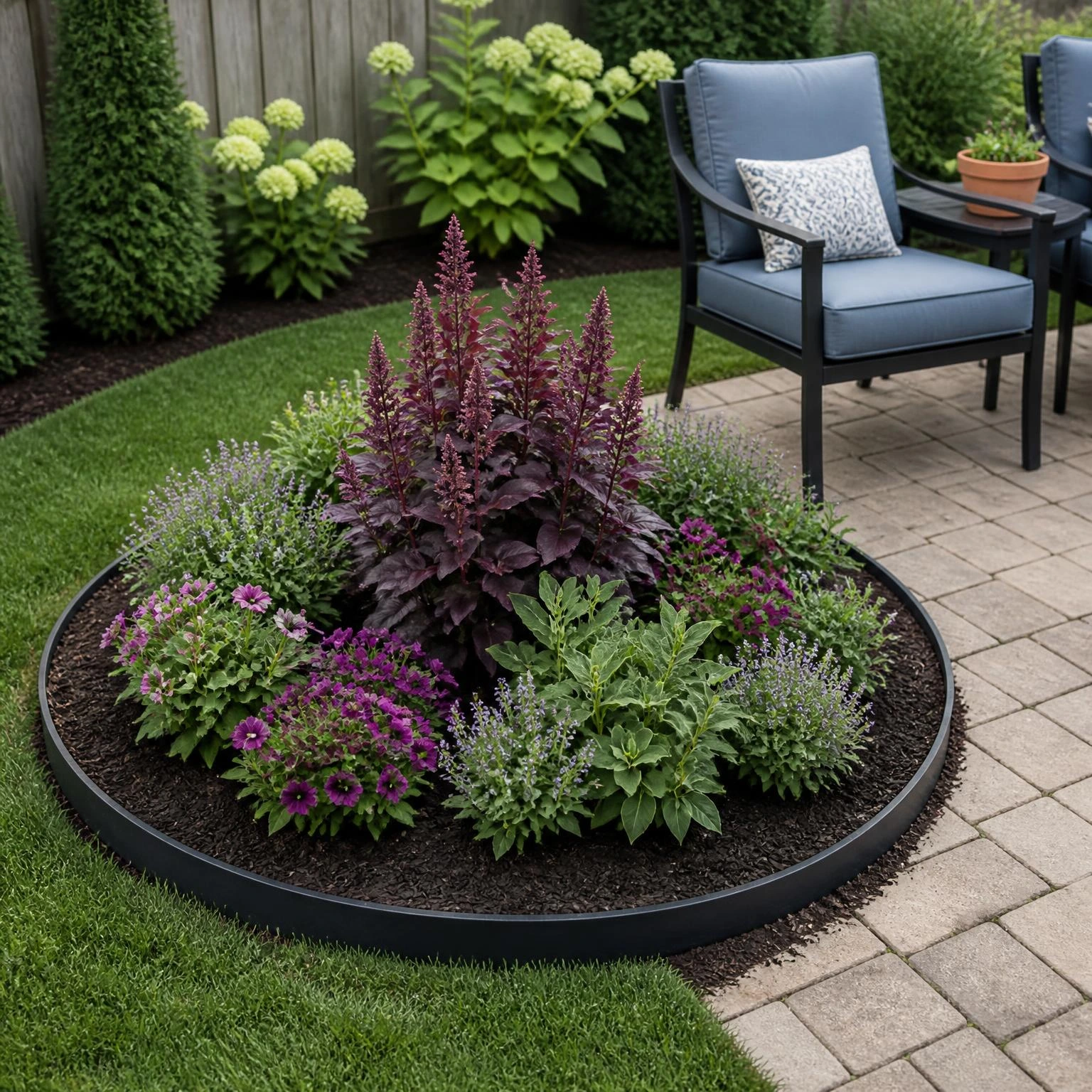
A dark metal circle beside the seating area gives a compact bed a clean outline. Plant low soft green flowers around one taller muted plum grouping, then cover exposed soil with mulch.
Choose edging with a finished, safe top edge and secure it firmly. A single central height point keeps the small bed readable from the patio.
11- Shade Garden Under Tree
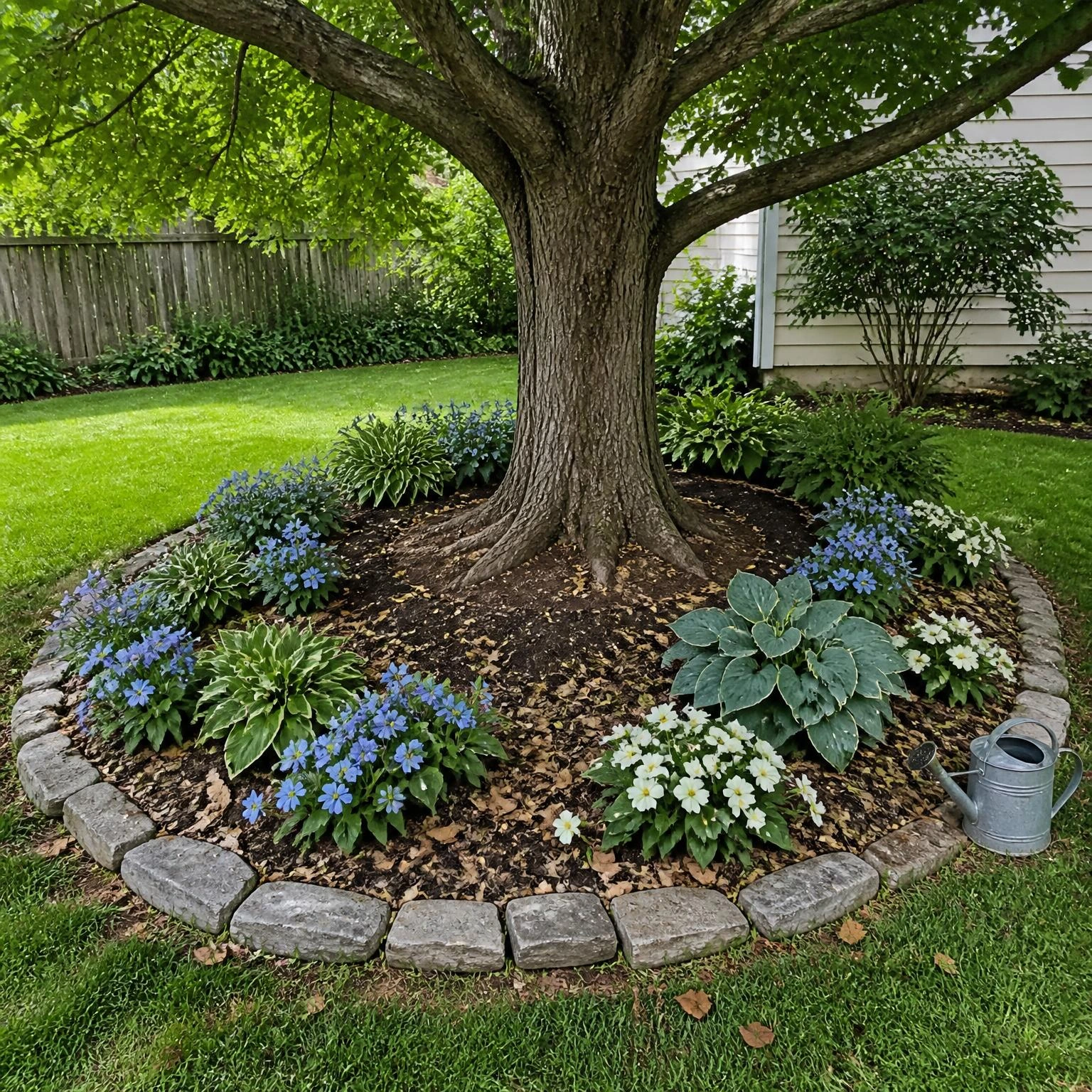
The space beneath an established tree can hold a quiet bed of shade-tolerant flowers. Use stone edging, soft blue and ivory blooms, and leaf mulch while leaving a clear gap around the trunk.
Do not pile soil or mulch against the bark. Dense shade and tree roots can limit plant choices and make watering uneven.
12- L-Shaped Flower Border
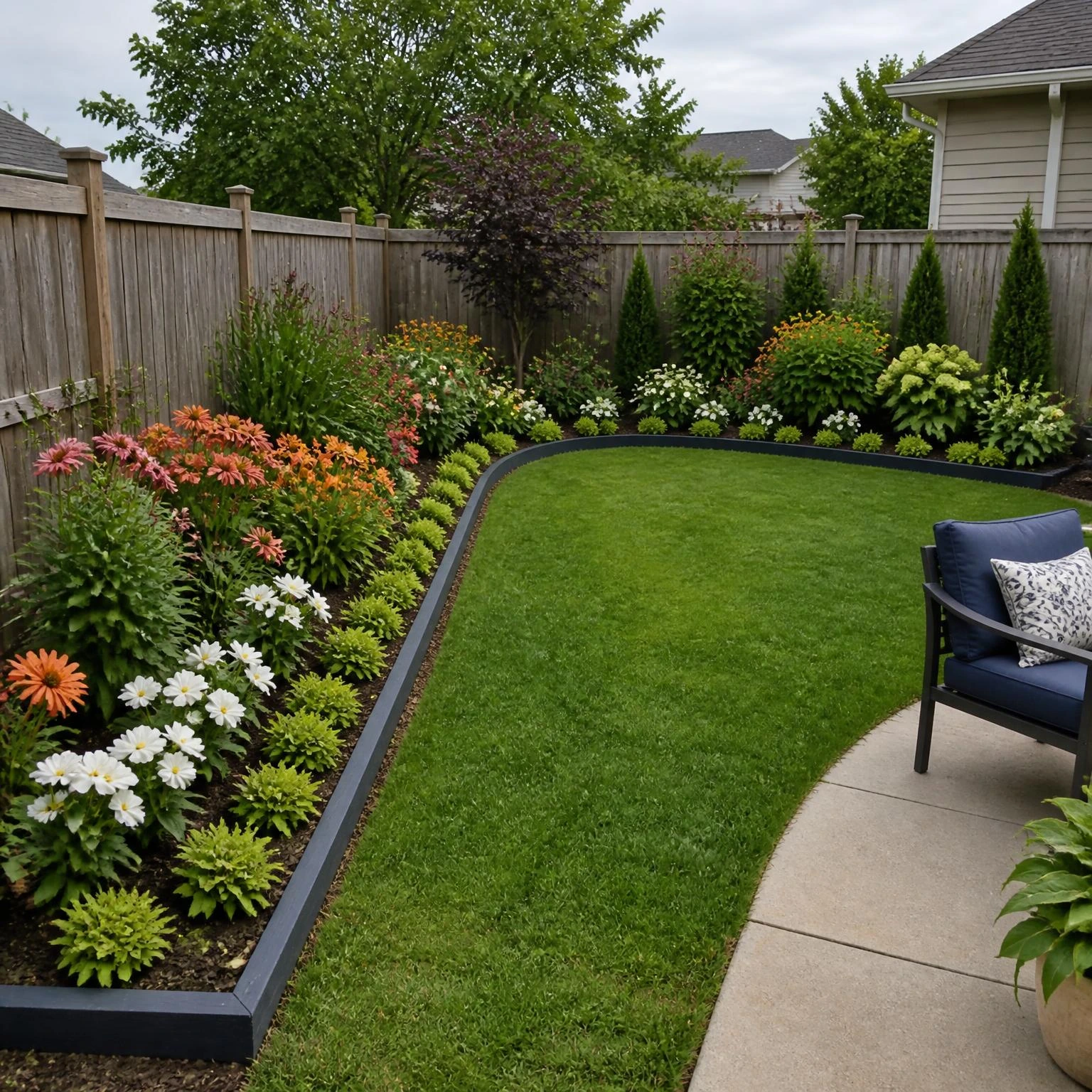
An L-shaped border frames two sides of a small lawn while keeping the center open. Use warm white flowers near the front, terracotta blooms through the middle, and soft green foliage along the painted edging.
Keep the inside corner broad rather than sharply pinched. A wider turn makes mowing and trimming much less awkward.
13- Blue-and-Plum Flower Bed
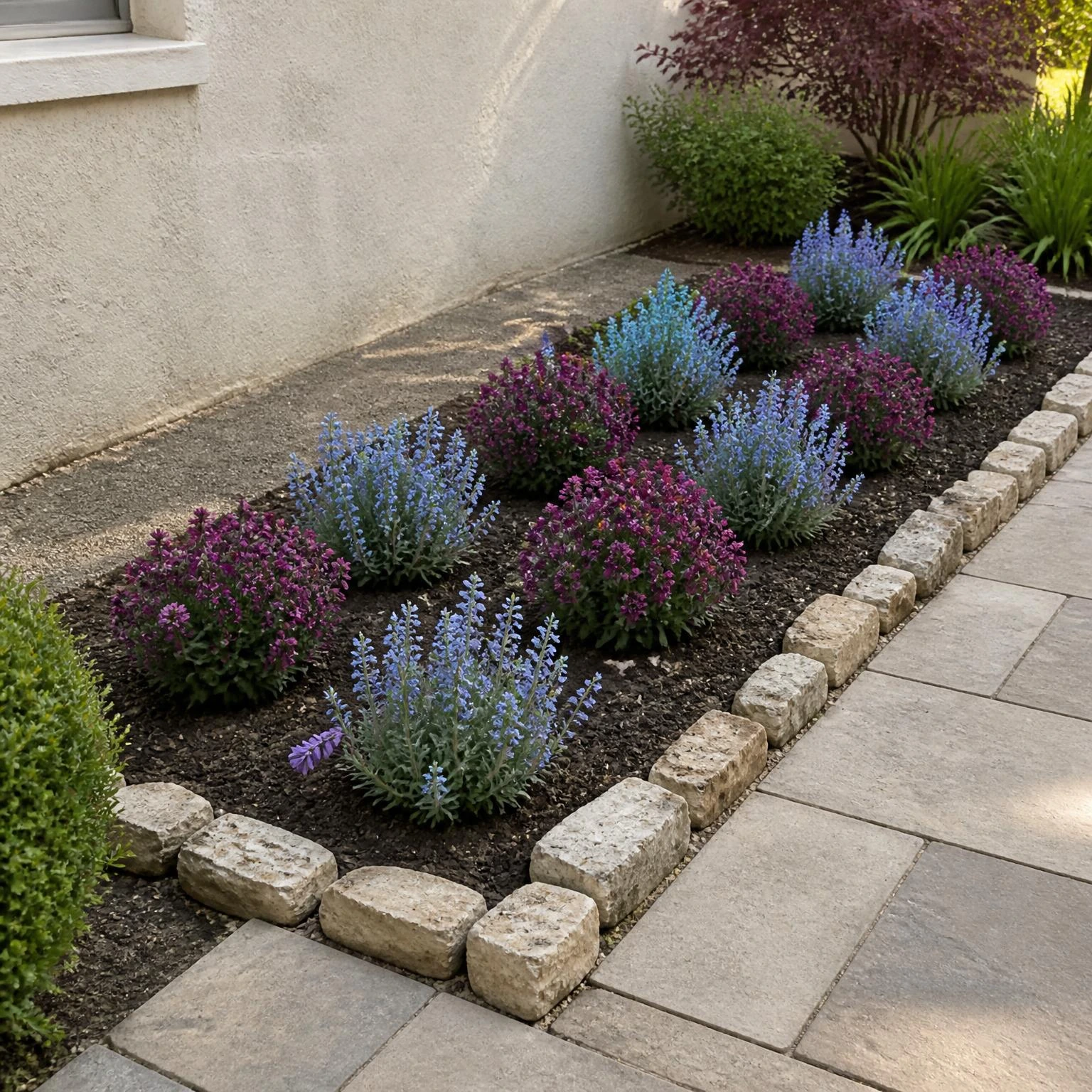
Repeated dusty blue and muted plum clusters make a small rectangular bed feel organized. Set the flowers beside a pale patio wall, add stone edging, and leave a narrow maintenance path along the rear.
Repeat each color in several small groups instead of one crowded block. Check that the chosen varieties share similar light and bloom requirements.
14- Front-to-Back Height Garden
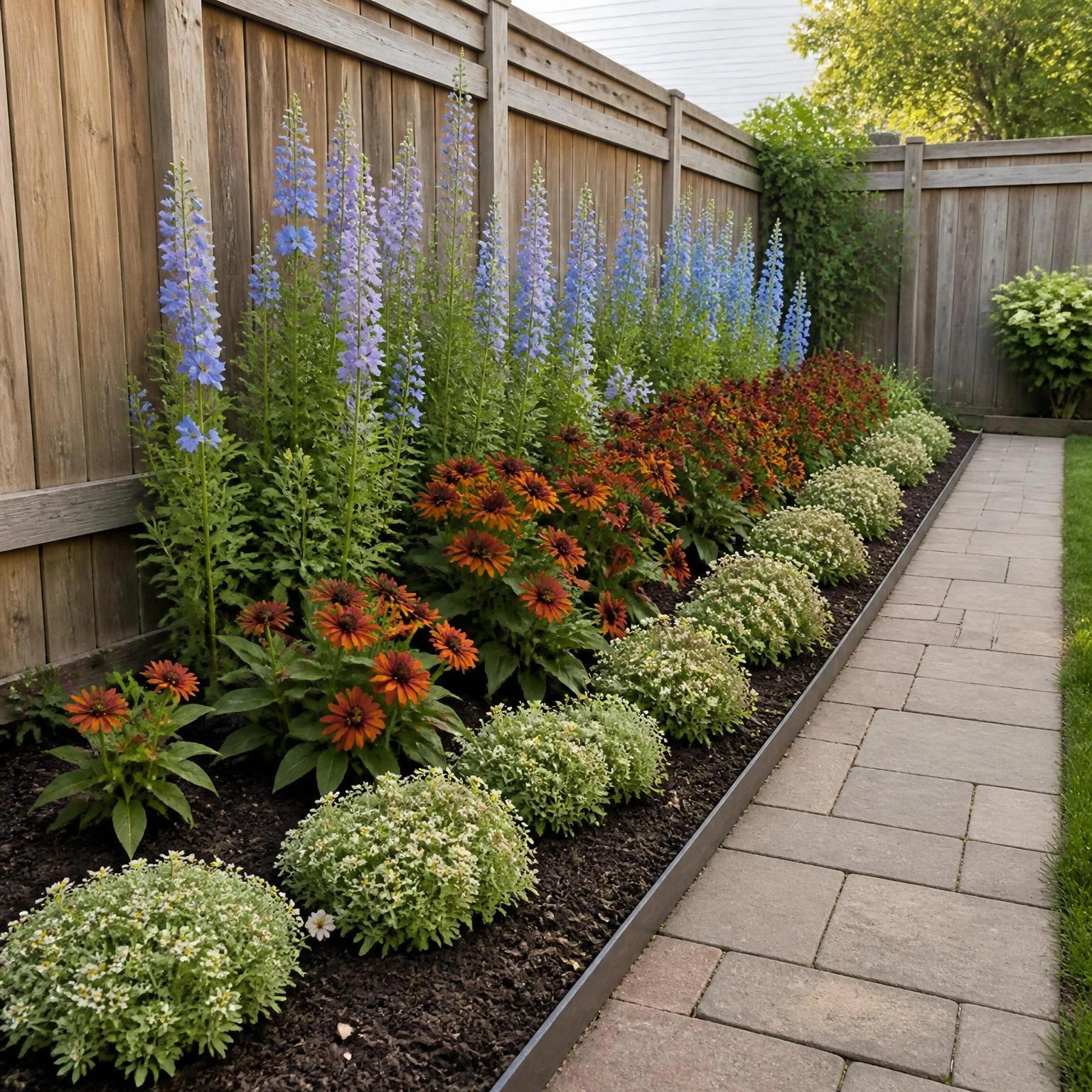
A narrow bed becomes easier to read when plants rise gradually from the path to the fence. Start with low neutral stone-colored edging plants, add rust blooms in the middle, and place taller soft blue flowers at the rear.
This layout keeps every flower visible from the main path. Avoid tall varieties that shade sun-loving plants in front.
15- Container Cluster Flower Garden
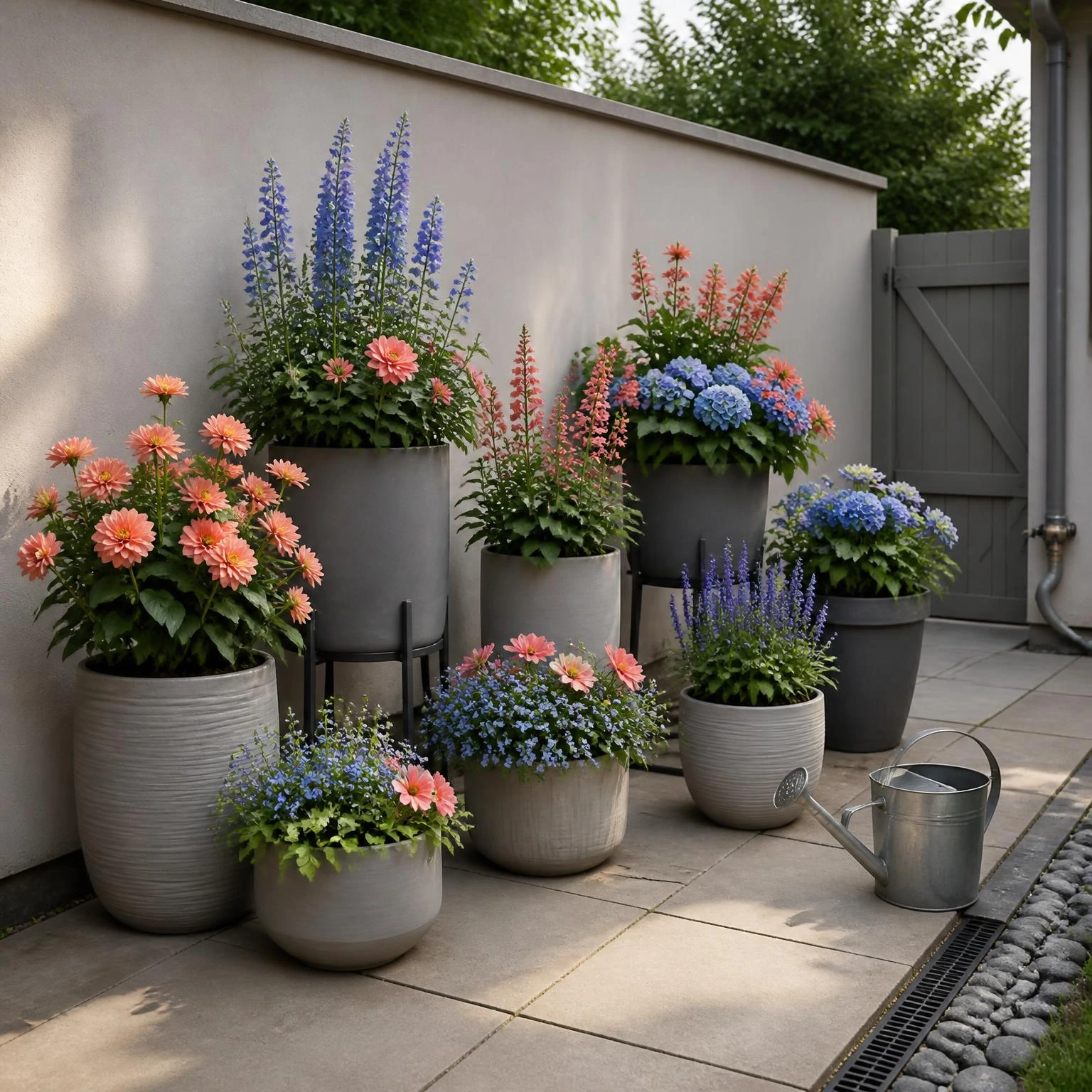
A paved backyard can still hold a generous-looking flower display through grouped containers. Combine ceramic and modern plastic planters in three heights, using warm gray pots with soft coral and muted blue flowers.
Leave enough space between containers for watering and passage. Containers dry faster than ground beds, so they need a dependable watering routine.
16- Wildlife-Friendly Flower Patch
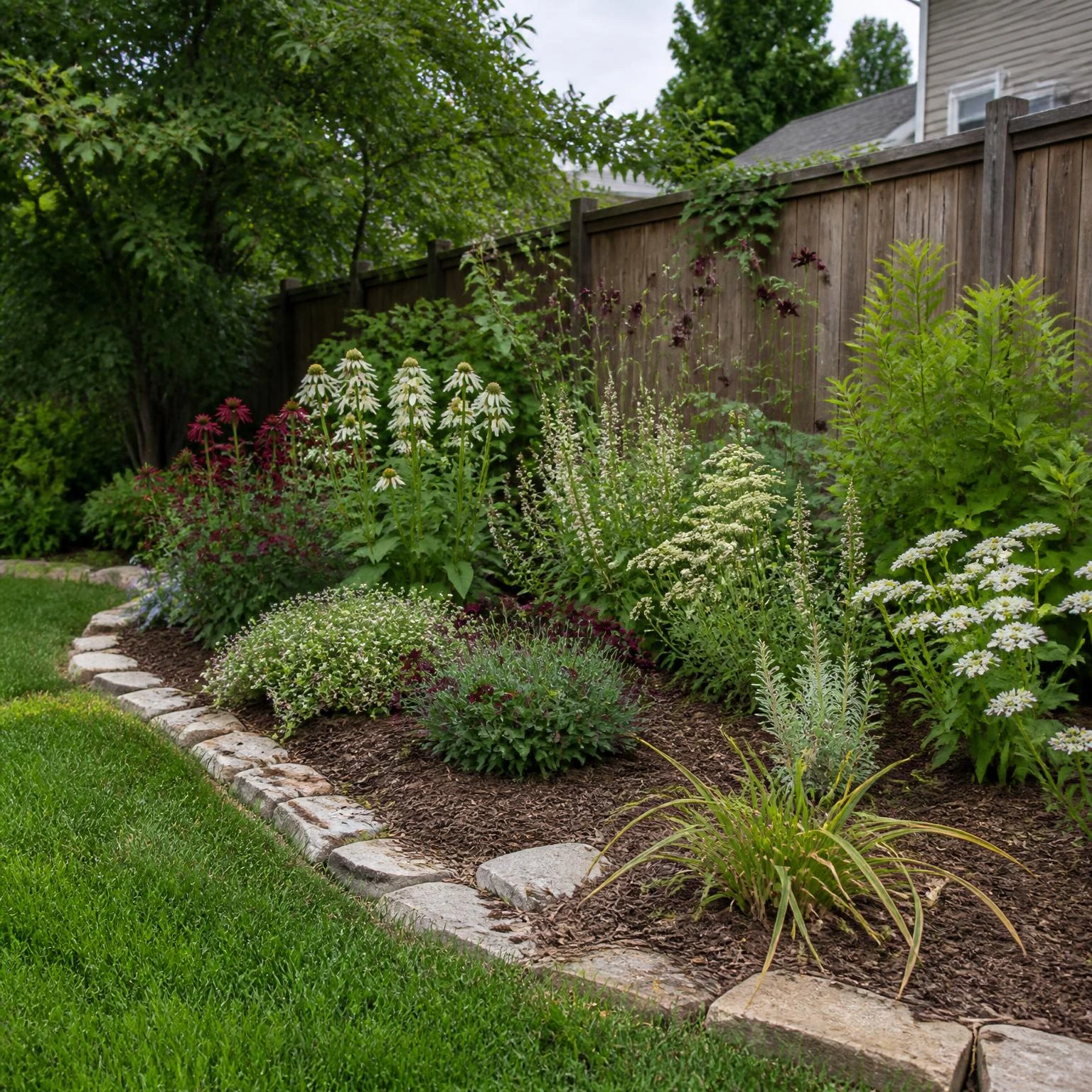
An informal sunny corner can support visiting pollinators without looking untidy. Group nectar-rich flowers in burgundy, ivory, and soft green, leaving small areas of open soil between clumps.
Use a neat mown edge or stone edging to contain the patch. Choose non-invasive plants suited to the local region and avoid overcrowding them.
17- Gravel Strip Flower Garden
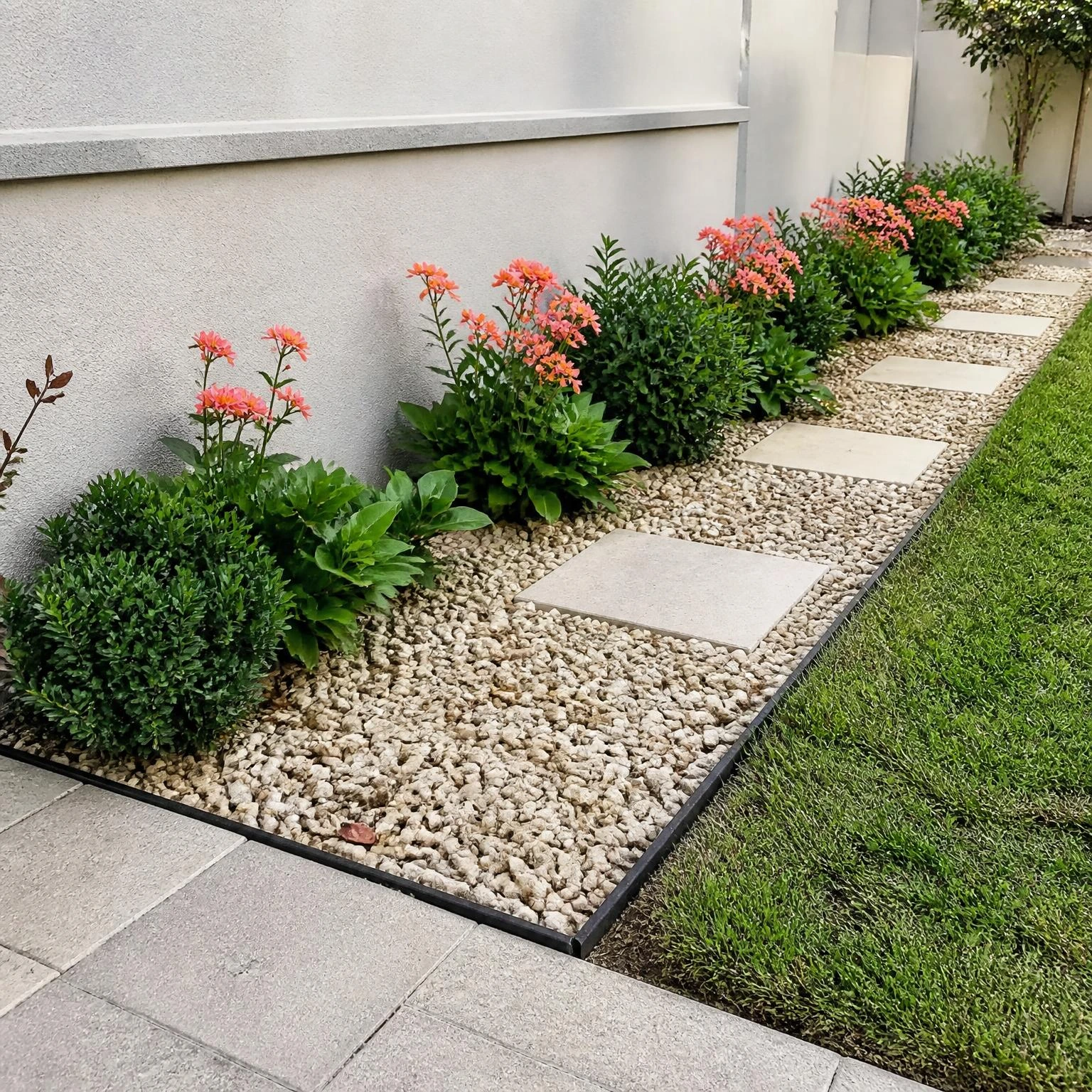
A slim gravel strip beside the wall adds flowers where a full bed would feel too deep. Plant soft coral flowers at repeated intervals among forest green foliage, with flat stones placed as maintenance points.
Metal edging helps keep pale gravel off the lawn and paving. Set the stones securely so pruning access stays comfortable after wet weather.
Where do you want to go next?

Explore by topic
Recently viewed
18- Bench-Side Flower Bed
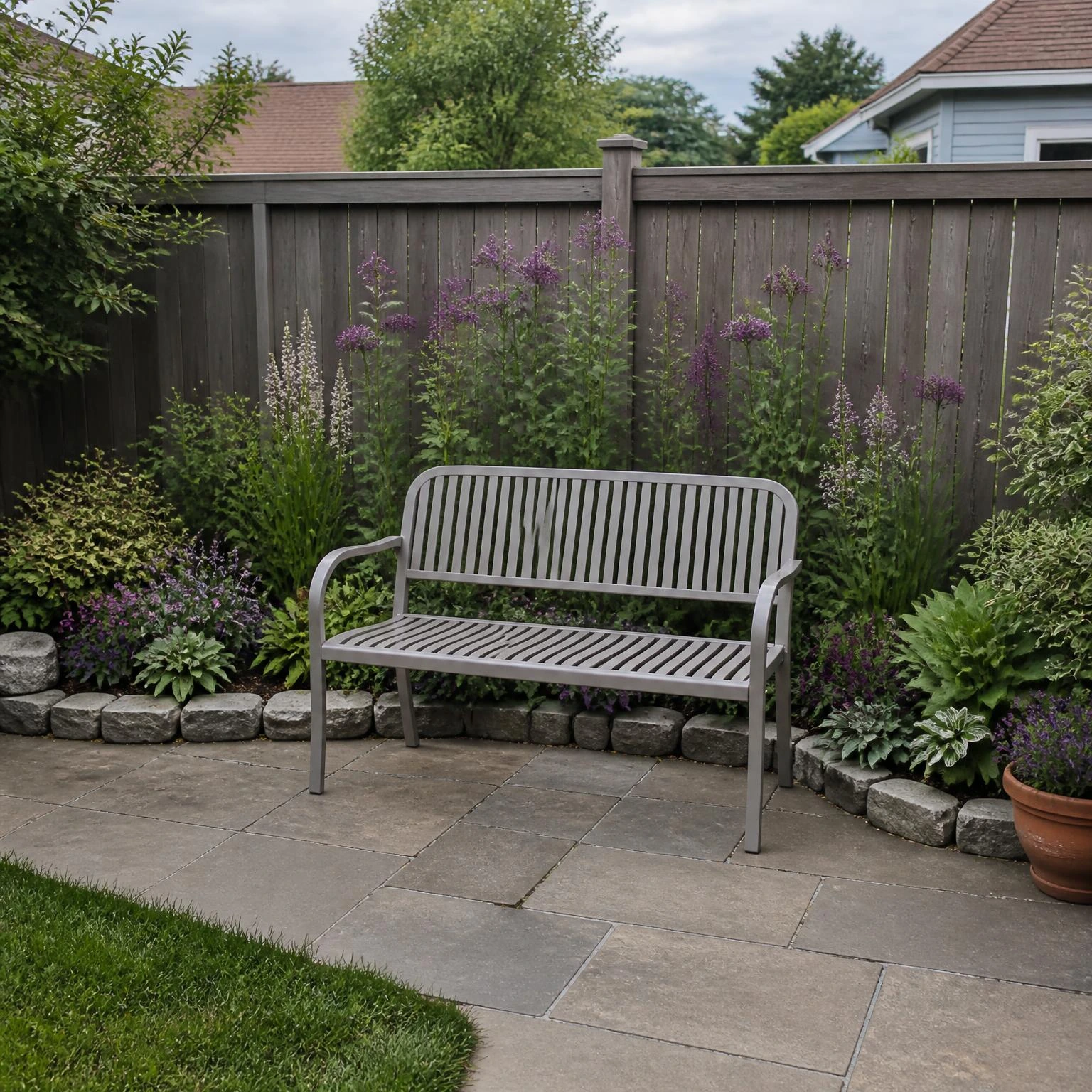
A small flower bed behind a bench makes a compact seating area feel settled. Keep soft green and muted plum flowers low beside the painted metal arms, then place taller blooms behind the seat.
Leave clear space for entering, sitting, and pulling the bench forward. Taller plants should frame the view rather than brush against anyone seated.
19- Four-Season Flower Garden
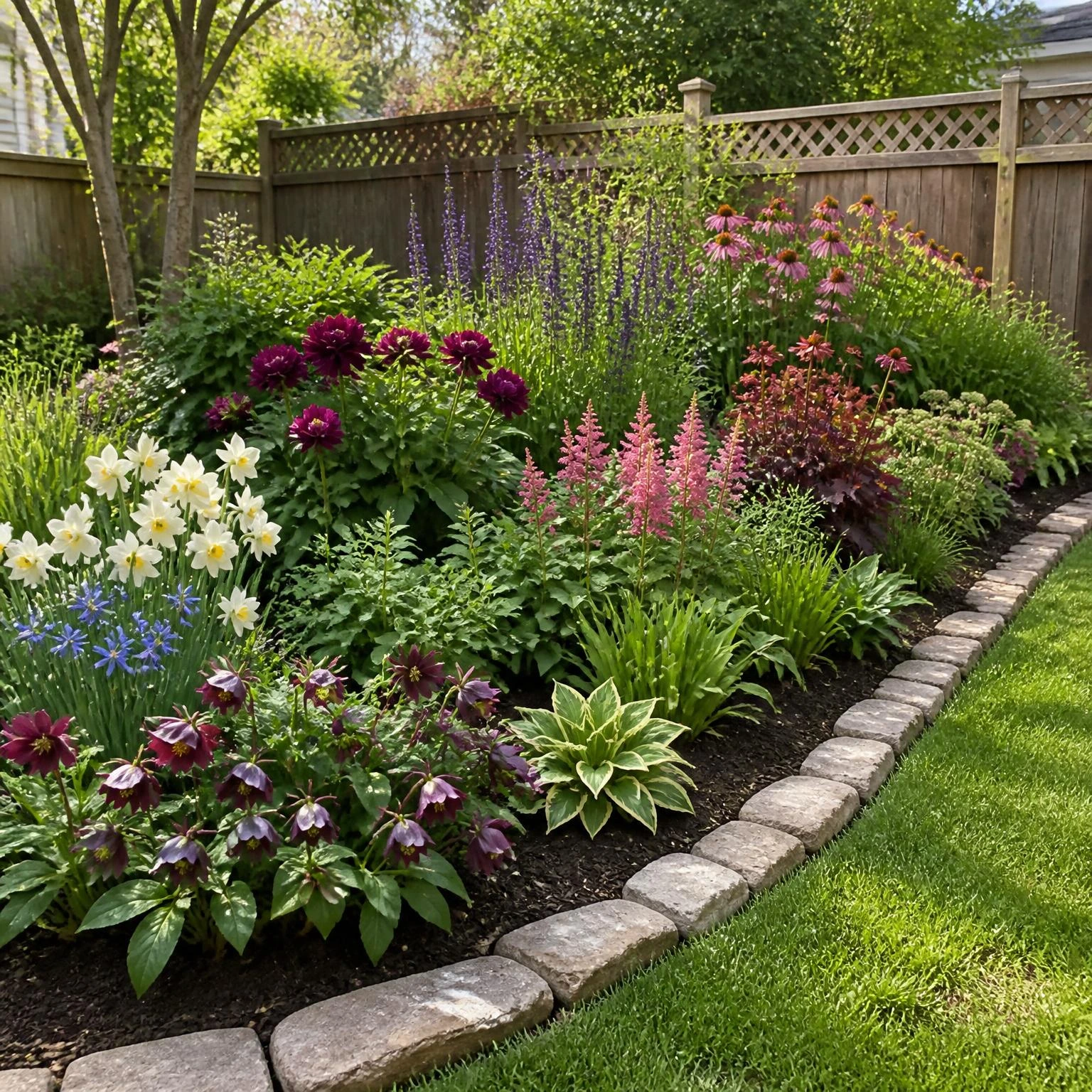
A small bed can offer changing color when plants bloom at different times. Combine spring, summer, and late-season groupings with burgundy flowers, soft green foliage, stone edging, and organic mulch.
Staggered bloom periods prevent one short burst of color. Plant timing and winter survival vary by climate, so verify local suitability before choosing varieties.
Making a Small Backyard Flower Garden Feel Spacious
The best small backyard flower garden ideas protect the paths, doors, lawn, and seating areas first. Once those routes stay clear, repeated colors, sensible edges, and varied plant heights can make a modest yard feel thoughtfully planted.